
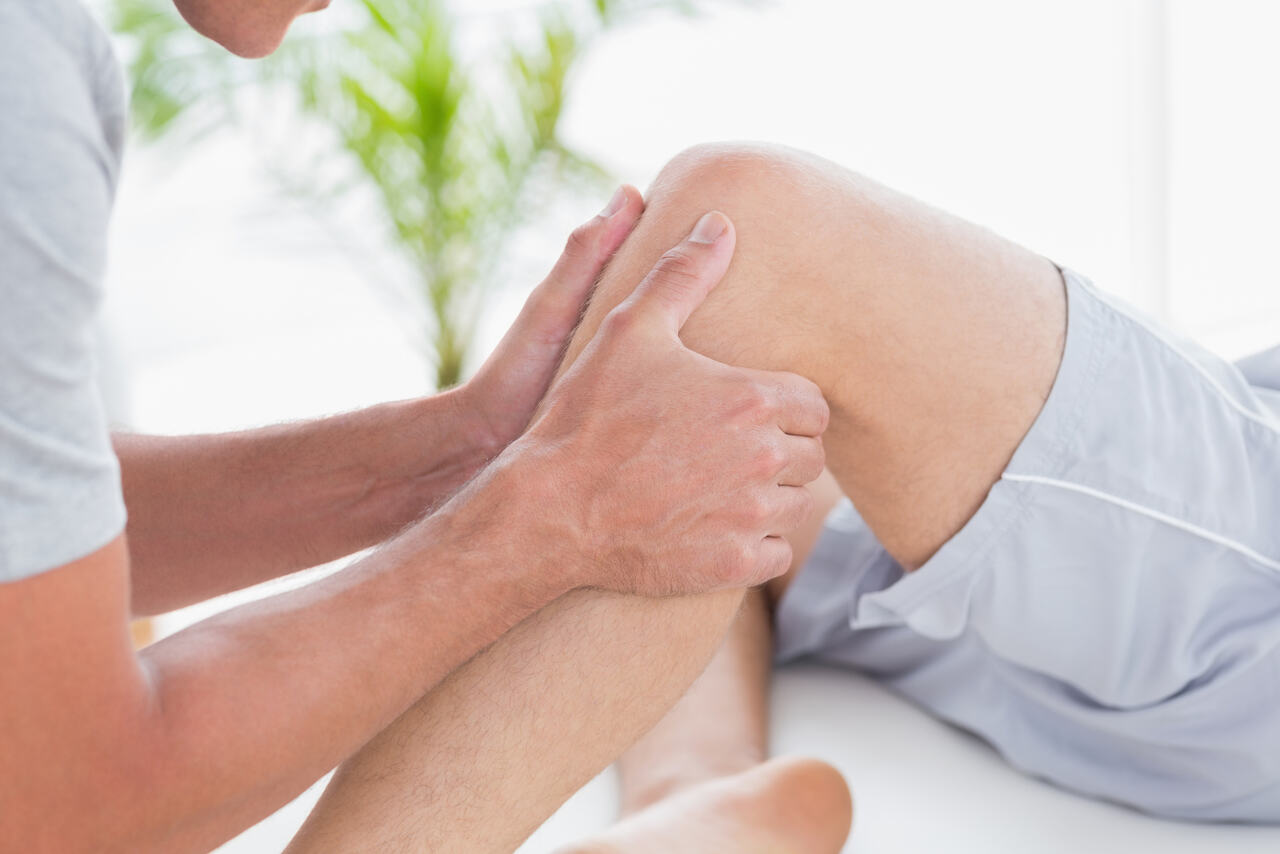
Understanding Knee Pain
To effectively address knee pain, it’s essential to understand its common causes and how it impacts your daily life.
Common Causes of Knee Pain
Knee pain can arise from various conditions and injuries. Here are some of the most common causes:
- Arthritis: Conditions like osteoarthritis and rheumatoid arthritis can lead to chronic knee pain and stiffness.
- Injuries: Ligament injuries (e.g., ACL tear), meniscus tears, and fractures often result in significant knee discomfort.
- Overuse: Activities that put excessive strain on the knee, such as running or jumping, can cause overuse injuries.
- Tendonitis: Inflammation of the knee tendons can lead to pain, particularly in the front of the knee.
- Bursitis: Inflammation of the bursae, the small fluid-filled sacs that cushion the knee joint, can cause pain and swelling.
Impact of Knee Pain on Daily Life
Knee pain can significantly impact your quality of life, interfering with various daily activities. The extent of impact might vary, but common issues include:
| Impact | Description |
|---|---|
| Mobility | Difficulty walking, climbing stairs, or standing for extended periods |
| Sleep | Pain can disrupt sleep patterns, leading to fatigue and irritability |
| Exercise | Limited ability to participate in physical activities and sports |
| Work | Challenges in performing job-related tasks, especially if they involve standing or moving |
| Mood | Chronic pain can lead to anxiety, depression, and overall reduced enjoyment of life |
To explore more about chiropractic solutions for knee pain, visit our sections on chiropractic techniques and chiropractic care. Understanding the role of a chiropractor near you can provide additional insights into how chiropractic interventions can alleviate knee pain.
The Role of Chiropractic Care
Chiropractic care can play a vital role in alleviating knee pain. By focusing on the musculoskeletal system, chiropractors aim to improve overall function and reduce discomfort. This approach can help address the root causes of knee pain.
How Chiropractic Care Can Help with Knee Pain
Chiropractic care involves various techniques that can help relieve knee pain. Chiropractors often use spinal adjustments, soft tissue therapy, and rehabilitation exercises to improve knee function and reduce pain.
| Chiropractic Technique | Purpose |
|---|---|
| Spinal Adjustments | Align the spine to improve knee function |
| Soft Tissue Therapy | Alleviate muscle tension and inflammation |
| Rehabilitation Exercises | Strengthen muscles around the knee |
Spinal adjustments can help improve alignment and relieve pressure on the knee joint. Soft tissue therapy targets muscles and ligaments, reducing inflammation and promoting healing. Rehabilitation exercises further enhance muscle strength and joint stability. By addressing these components, chiropractors can help you manage knee pain effectively. For more information on different chiropractic techniques, read our article on chiropractic techniques.
Benefits of Chiropractic Solutions
The benefits of chiropractic solutions for knee pain are numerous. Here are some key advantages:
- Pain Relief: Chiropractic care can offer significant pain relief by targeting the underlying causes of knee discomfort.
- Improved Mobility: Treatment can enhance knee joint function, leading to better mobility and reduced stiffness.
- Non-Invasive: Chiropractic care is a non-invasive approach, avoiding the need for surgery or medications.
- Personalized Care: Chiropractors provide individualized treatment plans tailored to your specific needs.
- Holistic Approach: Chiropractic care focuses on overall well-being, addressing not just knee pain but your entire body.
These benefits make chiropractic care an excellent option for managing knee pain. By seeking the right treatment, you can improve your quality of life and enjoy a pain-free lifestyle. To learn more about the benefits of chiropractic care, visit our article on chiropractic benefits.
Chiropractic Techniques for Knee Pain
When dealing with knee pain, chiropractors employ a variety of techniques to help alleviate your discomfort. These methods are designed to address not just the symptoms but also the root causes of knee pain.
Spinal Adjustments for Knee Pain
Spinal adjustments, also known as chiropractic adjustments, are a cornerstone of chiropractic care. These adjustments can help realign your spine, which in turn positively affects your knee joints. Misalignments in the spine can lead to improper body mechanics, placing extra stress on your knees. By correcting these misalignments, chiropractors can help reduce knee pain.
| Chiropractic Technique | Effectiveness (%) |
|---|---|
| Spinal Adjustments | 85 |
| Soft Tissue Therapy | 75 |
| Exercise and Rehab | 90 |
For more information on spinal adjustments, visit our article on chiropractic adjustment.
Soft Tissue Therapy for Knee Pain
Soft tissue therapy involves the manipulation of muscles, ligaments, and tendons around your knee joint. This technique helps to reduce muscle tension, improve blood flow, and promote healing. Chiropractors use various soft tissue techniques such as myofascial release, trigger point therapy, and massage.
Soft tissue therapy can be especially beneficial if your knee pain is caused by muscle tightness or imbalances. It can also complement other chiropractic treatments for more comprehensive care.
| Type of Soft Tissue Therapy | Focus Area |
|---|---|
| Myofascial Release | Muscles and connective tissue |
| Trigger Point Therapy | Specific muscle knots |
| Massage Therapy | Overall muscle relaxation |
Learn more about these therapies in our article on chiropractic techniques.
Exercise and Rehabilitation Programs
Exercise and rehabilitation are crucial components of managing knee pain. Chiropractors often design customized exercise programs to strengthen the muscles around your knee, improve flexibility, and enhance overall joint stability. These programs may include stretching exercises, strength training, and balance activities.
Incorporating a well-rounded exercise program can help you regain function and reduce the likelihood of future knee pain. Consistency and proper guidance from your chiropractor are key to achieving the best results.
For a detailed guide on effective exercise routines, visit our article on chiropractic treatment.
By utilizing these chiropractic techniques, you can effectively manage your knee pain and improve your overall quality of life. For personalized care, consider visiting a chiropractic clinic near you.
Lifestyle Changes for Knee Health
Weight Management
Maintaining a healthy weight is crucial in alleviating pressure on your knees. Excess weight places additional stress on the knee joints, exacerbating pain and discomfort. Adopting a balanced diet and regular exercise routine can help you achieve and maintain a healthy weight, ultimately benefiting your knee health.
| Weight Loss (%) | Reduction in Knee Pain (%) |
|---|---|
| 5% | 18% |
| 10% | 25% |
| 15% | 40% |
Proper Posture and Body Mechanics
Practicing good posture and body mechanics is essential in preventing knee pain and maintaining overall joint health. Proper alignment during daily activities, such as sitting, standing, and lifting, can reduce undue stress on your knees.
- Sitting: Keep your feet flat on the floor and avoid crossing your legs.
- Standing: Distribute your weight evenly on both feet.
- Lifting: Bend at the knees, not the waist, to lift heavy objects.
Understanding and implementing these practices can play a significant role in reducing knee pain and enhancing your overall well-being. For additional guidance, consider consulting a chiropractic clinic for personalized recommendations.
Nutritional Support for Joint Health
A diet rich in essential nutrients can significantly improve knee health. Consuming foods that are high in vitamins, minerals, and anti-inflammatory properties aids in maintaining the integrity of your knee joints.
| Nutrient | Food Sources | Benefits for Knee Health |
|---|---|---|
| Omega-3 Fatty Acids | Fish, Flaxseed, Walnuts | Reduces inflammation |
| Vitamin D | Fish, Fortified Milk, Sunlight | Supports bone health |
| Calcium | Dairy, Leafy Greens, Almonds | Strengthens bones |
| Antioxidants | Berries, Nuts, Green Tea | Protects joint tissues |
Incorporating these nutrients into your diet can contribute to alleviating knee pain and improving joint function. If you need additional strategies for managing knee pain, explore our article on chiropractic care.
Implementing lifestyle changes like weight management, proper posture, and nutritional support can coexist with chiropractic interventions. Together, these approaches offer a holistic path to better knee health. For more personalized advice and treatment, consider visiting a chiropractor near me.
When to Seek Chiropractic Help
Identifying when to seek chiropractic care for knee pain is essential for timely and effective treatment. Understanding the early signs and the evaluation process can help you make an informed decision.
Signs That You Should See a Chiropractor
Several signs indicate it may be time to visit a chiropractor for knee discomfort. These signs can vary but are often related to the severity and persistence of your symptoms.
Persistent Pain: If your knee pain lasts for more than a few days and doesn’t improve with rest or over-the-counter painkillers, it might be a signal to seek professional help.
Swelling and Stiffness: Noticeable swelling or stiffness in your knee can indicate an underlying issue that requires chiropractic intervention.
Reduced Mobility: If you experience difficulty moving your knee or if it affects your ability to perform daily activities, consulting a chiropractor can help assess the problem.
Grinding or Popping: Sensations of grinding or popping when you move your knee might indicate structural issues, which a chiropractor can address.
Previous Injuries: If you have a history of knee injuries and pain resurfaces, professional care can prevent further damage.
Initial Consultation and Evaluation Process
When you decide to seek chiropractic care, understanding the initial consultation and evaluation process can help you navigate this journey confidently.
Medical History Review: Your chiropractor will start by taking a comprehensive medical history. This includes details about your knee pain, any previous injuries, and other relevant health information.
Physical Examination: A thorough physical examination of your knee will follow. The chiropractor will assess your range of motion, strength, and will identify any signs of inflammation or abnormalities.
Diagnostic Tests: In some cases, additional diagnostic tests such as X-rays or MRIs might be recommended to get a clearer picture of your knee’s condition.
Discussing Chiropractic Techniques: Your chiropractor will explain the various chiropractic techniques and how they can be applied to relieve your knee pain. This can include spinal adjustments, soft tissue therapy, and customized exercise and rehabilitation programs.
| Step | Description |
|---|---|
| Medical History | Questions about your knee pain, previous injuries, and overall health. |
| Physical Examination | Evaluating the knee’s range of motion, strength, and swelling. |
| Diagnostic Tests | Additional tests like X-rays or MRIs if needed. |
| Chiropractic Techniques | Discussing tailored chiropractic interventions for knee pain. |
Navigating through your knee pain with chiropractic help requires understanding when to seek it and what to expect during your initial consultation. Equipped with this knowledge, you can embark on your path to pain relief and improved knee health. For more information on what to expect from chiropractic care, visit our chiropractic care page.
Your Path to Knee Pain Relief
Finding relief from knee pain through chiropractic care involves a comprehensive approach that addresses both immediate and long-term needs. Here’s how to navigate your journey to pain relief.
Creating a Treatment Plan
Your chiropractor will create a personalized treatment plan based on your specific condition, medical history, and lifestyle. During your initial consultation, they will conduct a thorough evaluation to determine the best course of action. This plan may incorporate several chiropractic techniques, such as spinal adjustments, soft tissue therapy, and exercise routines.
| Component | Description |
|---|---|
| Spinal Adjustments | Realigning the spine to reduce pressure on the knee. |
| Soft Tissue Therapy | Techniques to alleviate muscle tension and improve circulation. |
| Rehabilitation Exercises | Strengthening muscles around the knee to enhance stability. |
Committing to Your Chiropractic Care
Consistency is key to achieving and maintaining knee pain relief. Regular visits to your chiropractor and adhering to the prescribed treatment plan will yield the best results. Your chiropractor will likely schedule follow-up appointments to monitor your progress and make adjustments to your treatment plan as needed. Consistent treatment helps in maintaining the benefits of chiropractic care over the long term.
Long-Term Management Strategies
Beyond the initial treatment phase, long-term management strategies are crucial for sustaining knee health and preventing future pain. Your chiropractor may recommend various lifestyle changes and preventative measures, including:
- Weight Management: Maintaining a healthy weight to reduce stress on your knees.
- Proper Posture and Body Mechanics: Techniques for proper alignment and movement to avoid strain on your knees.
- Nutritional Support: Guidance on supplements and diet to support joint health.
For further guidance on these lifestyle changes, check out our articles on chiropractic for arthritis and chiropractic for seniors.
Regular chiropractic care can play a significant role in keeping knee pain at bay. Establishing a relationship with your chiropractor and committing to your treatment plan will help you achieve lasting relief and improved quality of life. For more information, consider visiting a local chiropractic clinic.
Get started on your path to knee pain relief by finding a chiropractor near you and discussing your options for personalized care.


