
TLDR
Acupuncture for headaches works by stimulating sensory nerves in the skin, muscles, and connective tissue, which influences pain modulation, local circulation, and nervous system regulation. Research from the National Institutes of Health and a Washington State Health Care Authority systematic review suggest acupuncture shows promise as a supportive approach for both tension-type headaches and migraines. A thorough assessment of your neck mobility, muscle tone, posture, and lifestyle patterns guides the treatment plan.
────────────────────────────────────────
Introduction
You know the feeling. A tightening pressure across your temples before noon. Neck stiffness that climbs up the back of your skull after hours at a screen. The dull, relentless weight behind your eyes that makes it hard to focus, train, parent, or sleep. And somewhere in your desk drawer, another blister pack of ibuprofen you were hoping you would not need today.
If recurring headaches are wearing you down and over-the-counter medication is starting to feel like a treadmill with no exit, you are not alone in looking for something more sustainable. Acupuncture for headaches is a care option that bridges traditional acupuncture principles with modern understanding of how muscles, joints, nerves, and pain pathways function together. It is not a cure-all, and results vary from person to person. What it does offer is a structured, assessment-led approach to understanding what might be contributing to your headaches and how to address those contributors with targeted, evidence-informed care.
This post walks through how headaches connect to your musculoskeletal system, how acupuncture influences pain and muscle function, and what a personalized care plan looks like in practice.
Why Do Headaches Often Involve More Than the Head?
Headaches frequently originate from structures in the neck and upper back, not the head itself. Tension-type headaches and many migraine patterns are closely linked to muscle tightness, restricted joint mobility, postural strain, and nervous system sensitivity. Understanding these contributors is central to how practitioners approach assessment.
Some of the most common musculoskeletal factors include:
• Suboccipital tightness: The small muscles at the base of the skull, known as the suboccipital group, are dense with nerve endings. When these muscles become overloaded from sustained postures or stress, they refer discomfort toward the temples, forehead, and behind the eyes.
• Upper trapezius tension: Shoulder and neck muscle guarding frequently builds throughout the workday and contributes to a pressure-like sensation across the upper neck and scalp.
• Restricted cervical mobility: Limited range of motion in the neck increases load on surrounding soft tissues and may sensitize local pain pathways.
• Jaw clenching and TMJ strain: Habitual clenching or grinding can drive referred pain into the temples and side of the head.
• Sleep quality and stress load: Both influence how sensitive the nervous system becomes to pain input, which lowers the threshold for headache onset.
It is important to note that not all headaches have a musculoskeletal origin. New, severe, sudden-onset, or progressively worsening headaches should always be reviewed by a qualified healthcare provider to rule out conditions that require medical attention.
How Does Acupuncture Help Headaches Through a Modern Clinical Lens?
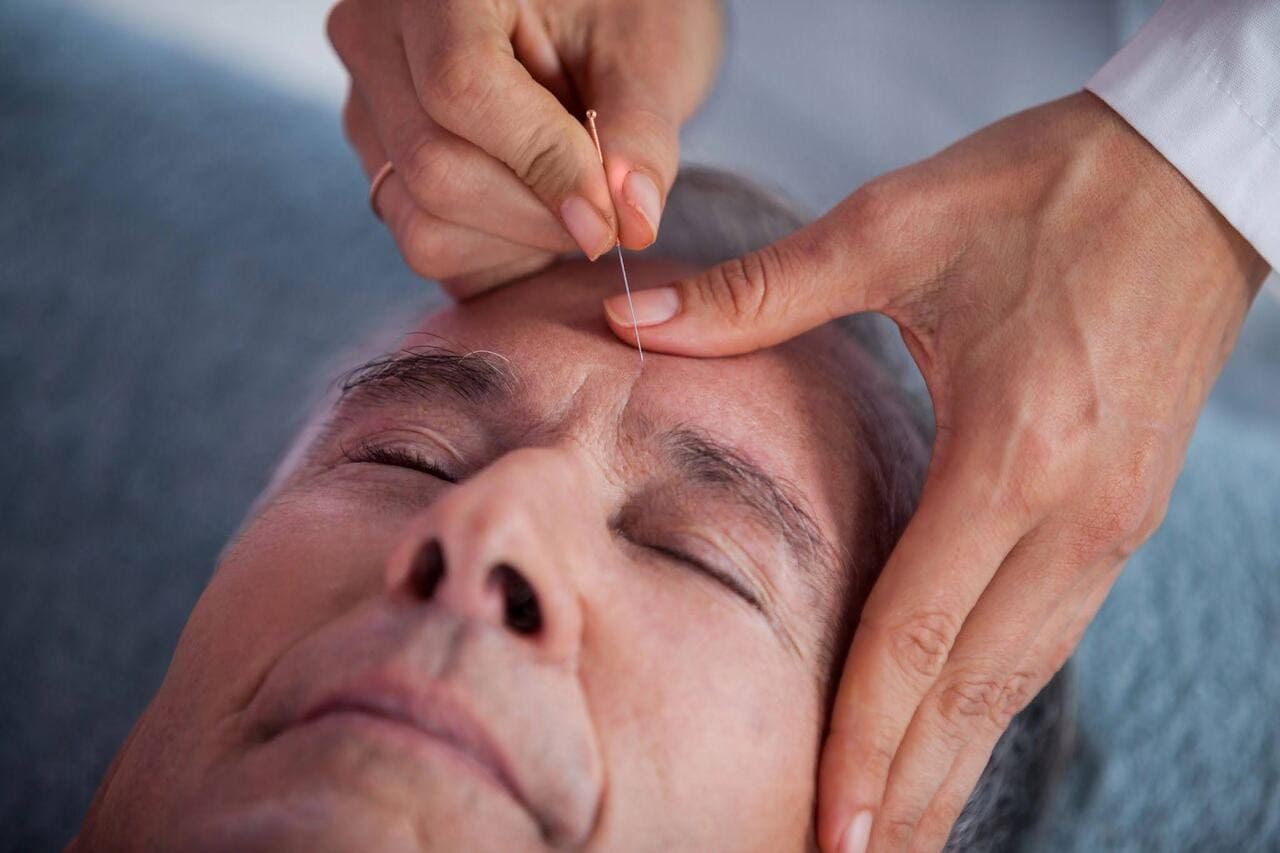
Acupuncture stimulates sensory nerve endings in the skin, muscle, and connective tissue using thin, sterile needles. This sensory input travels through the nervous system and influences several processes relevant to headache management.
From a modern physiological perspective, how acupuncture helps headaches includes:
• Pain modulation: Needling activates pain-gating mechanisms in the spinal cord and brain, which reduces the intensity of incoming pain signals. Research outlined by the Veterans Affairs acupuncture clinical guidance supports this neurological basis for acupuncture’s effect on headache patterns.
• Local circulation: Needling increases blood flow to treated tissue, which supports tissue recovery and reduces the chemical buildup associated with muscle tension and pain.
• Muscle tone regulation: Targeted needling at trigger points, areas of local muscle hypersensitivity, addresses the mechanical tension that contributes to referred head pain.
• Nervous system regulation: Acupuncture appears to influence autonomic nervous system activity, supporting a shift away from a heightened stress response toward a more regulated state.
Traditional acupuncture frameworks describe this as restoring balance to the body’s energy flow. The modern clinical translation is that acupuncture works to calm overactive pain pathways, improve local tissue health, and reduce protective muscle guarding. Both perspectives point toward the same practical outcome: less sensitivity, better movement, and improved comfort.
To learn more about our approach to medical acupuncture, including how it fits into a broader musculoskeletal care plan, visit our service page.
How Is Acupuncture for Tension Headaches Applied in Practice?
Acupuncture for tension headaches typically targets the muscular and joint structures most likely contributing to your specific headache pattern. There is no single universal protocol; the assessment findings guide where needles are placed and how treatment progresses.
Common treatment areas for tension-type headache management include:
• Upper cervical spine and suboccipital region
• Upper trapezius and levator scapulae muscles
• Scalp and temporal region
• Jaw and masseter muscle when clenching is a factor
• Upper thoracic and interscapular area
Suboccipital trigger points receive particular attention because of how reliably they refer pain toward the head. Targeted needling at these points aims to reduce local sensitivity, release sustained muscle contraction, and improve the comfort of neck movement.
Acupuncture sessions are often paired with complementary strategies to support longer-term function. Neck mobility exercises, breathing strategies, posture education, and progressive strengthening work together with acupuncture to address the underlying contributors rather than managing symptoms in isolation.
What Should Patients Know About Acupuncture for Migraine Relief?
Acupuncture for migraine relief is most useful as part of a broader care plan rather than a standalone treatment. Migraine is a complex neurological condition influenced by multiple factors including hormonal changes, sleep disruption, dietary patterns, light sensitivity, and heightened central nervous system sensitivity.
Within a care plan, acupuncture may support migraine management by:
• Reducing nervous system sensitivity that lowers the threshold for migraine onset
• Improving neck and shoulder comfort, which removes one common physical trigger
• Supporting relaxation and better sleep quality through autonomic regulation
• Helping patients identify movement, posture, or lifestyle patterns that may contribute to frequency
Because migraine symptoms are complex and sometimes involve aura, nausea, or neurological features, coordination with your medical provider is important. Acupuncture does not replace medical management of migraines. It serves as a complementary approach that addresses the musculoskeletal and nervous system contributors alongside whatever medical care is appropriate for your situation.
What Happens at Your First Acupuncture Visit?
Your first appointment focuses entirely on understanding your headache pattern before any treatment begins. This is where the clinical picture takes shape.
A typical initial visit includes:
• A detailed health history and headache pattern review, including frequency, location, intensity, timing, and known triggers
• Neck and shoulder movement screening to identify restricted range of motion or pain with specific movements
• Palpation of relevant muscle groups to locate areas of tightness or trigger point sensitivity
• A discussion of posture, daily activities, screen time, sleep habits, and stress load
• Collaborative goal-setting based on your lifestyle and what you want to return to doing
Acupuncture points are selected based on both traditional frameworks and modern musculoskeletal findings from your assessment. During a session, you are positioned comfortably, sterile single-use needles are placed at the identified points, and gentle stimulation is applied when appropriate. Sessions typically last between 30 and 60 minutes.
After treatment, some people feel noticeably relaxed. Others notice temporary soreness or mild fatigue in the hours that follow. Both responses are normal and tend to settle quickly.
How Do You Build a Personalized Plan for Natural Relief from Chronic Headaches?
Natural relief from chronic headaches rarely comes from a single intervention. A well-structured plan addresses the range of contributing factors that keep headaches recurring.
| Plan Component | What It Addresses |
|---|---|
| Acupuncture | Pain modulation, trigger point release, nervous system regulation |
| Neck mobility and strengthening | Reduced load on overworked muscles, improved joint function |
| Workstation and posture setup | Reduces sustained strain patterns driving suboccipital tightness |
| Sleep routine optimization | Supports nervous system recovery and lowers headache frequency |
| Hydration habits | Reduces a common low-grade headache trigger |
| Stress management strategies | Decreases autonomic arousal and muscle bracing patterns |
| Gradual return to activity | Rebuilds tolerance and confidence in movement |
Patients in Burlington looking for headache acupuncture treatment often benefit most from a care approach that combines thorough assessment, targeted acupuncture, and practical movement guidance rather than acupuncture sessions alone. The aim is steady, measurable improvement in your comfort, neck function, and daily confidence, tracked through changes in headache frequency, intensity, mobility, and how well you are managing at work, training, or with your family.
Key Takeaways
• Tension headaches and migraine patterns frequently involve musculoskeletal contributors including suboccipital tightness, upper trapezius tension, restricted neck mobility, and jaw clenching.
• Acupuncture influences pain modulation, local circulation, muscle tone, and autonomic nervous system activity through sensory nerve stimulation.
• Research from the National Institutes of Health and the Washington State Health Care Authority supports acupuncture as a clinically relevant option for both tension-type headaches and migraines.
• Acupuncture for migraine relief works alongside medical care, not in place of it, especially when neurological symptoms, aura, or medication management are involved.
• A thorough assessment of your headache pattern, neck mobility, posture, and lifestyle guides point selection and helps personalize each care plan.
• New, sudden, severe, or worsening headaches should be reviewed by a qualified healthcare provider before pursuing any manual or acupuncture-based care.
Take the Next Step
If headaches are affecting your work, training, sleep, or time with your family, understanding what is contributing to them is a practical place to start. At Burlington Sports and Spine Clinic, our approach to acupuncture care combines a clear assessment of your neck, shoulders, and pain patterns with targeted treatment and movement guidance tailored to your goals.
Book an assessment to discuss whether acupuncture for headaches fits your situation and to build a plan focused on steady, measurable improvement.
Frequently Asked Questions
Can acupuncture help tension headaches?
Acupuncture shows promise for tension-type headaches by supporting muscle relaxation, nervous system regulation, and improved neck comfort. The right approach depends on your specific headache pattern, assessment findings, and any contributing lifestyle or postural factors identified during your initial visit.
Is acupuncture useful for migraine relief?
Acupuncture may support migraine management for some patients, particularly as part of a broader care plan that includes appropriate medical guidance. Because migraine symptoms are complex and sometimes involve neurological features, it is important to review your full history with a qualified provider before starting care.
How many sessions will I need for headaches?
Session frequency and duration vary based on your headache history, symptom intensity, contributing factors, and how your body responds to treatment. Progress is monitored through changes in headache frequency, intensity, neck mobility, and daily function, and the care plan is adjusted as those markers shift over time.


